Updated: October 2026: reordered by what affects comfort most, added a How I choose block, a drawback for each idea, sideways links to the lighting guides and a short FAQ.
A good home office starts with three things: a chair that supports you, a desk with room for your work, and light you can see by. Everything else on this list is worth adding, but only after those three are right.
How I choose
I rank these ten by how much they change a workday. The chair, desk and lighting come first because you feel them physically. Storage and cable control come next, since clutter is the most common reason a small office stops being usable. Plants, rugs and personal pieces come last: they make the room pleasant, but they will not fix an aching back. Each idea below also carries one drawback, so you can skip what does not suit your room.
1. Ergonomic office chair
You sit in this more than anything else you own, so the chair is where comfort is won or lost. An ergonomic chair supports posture and eases back strain; look for adjustable lumbar support, height settings and breathable materials. The drawback is size: a full ergonomic chair is bulky, and in a small room it can dominate the floor. Shop ergonomic office chairs on Amazon.
2. Spacious desk
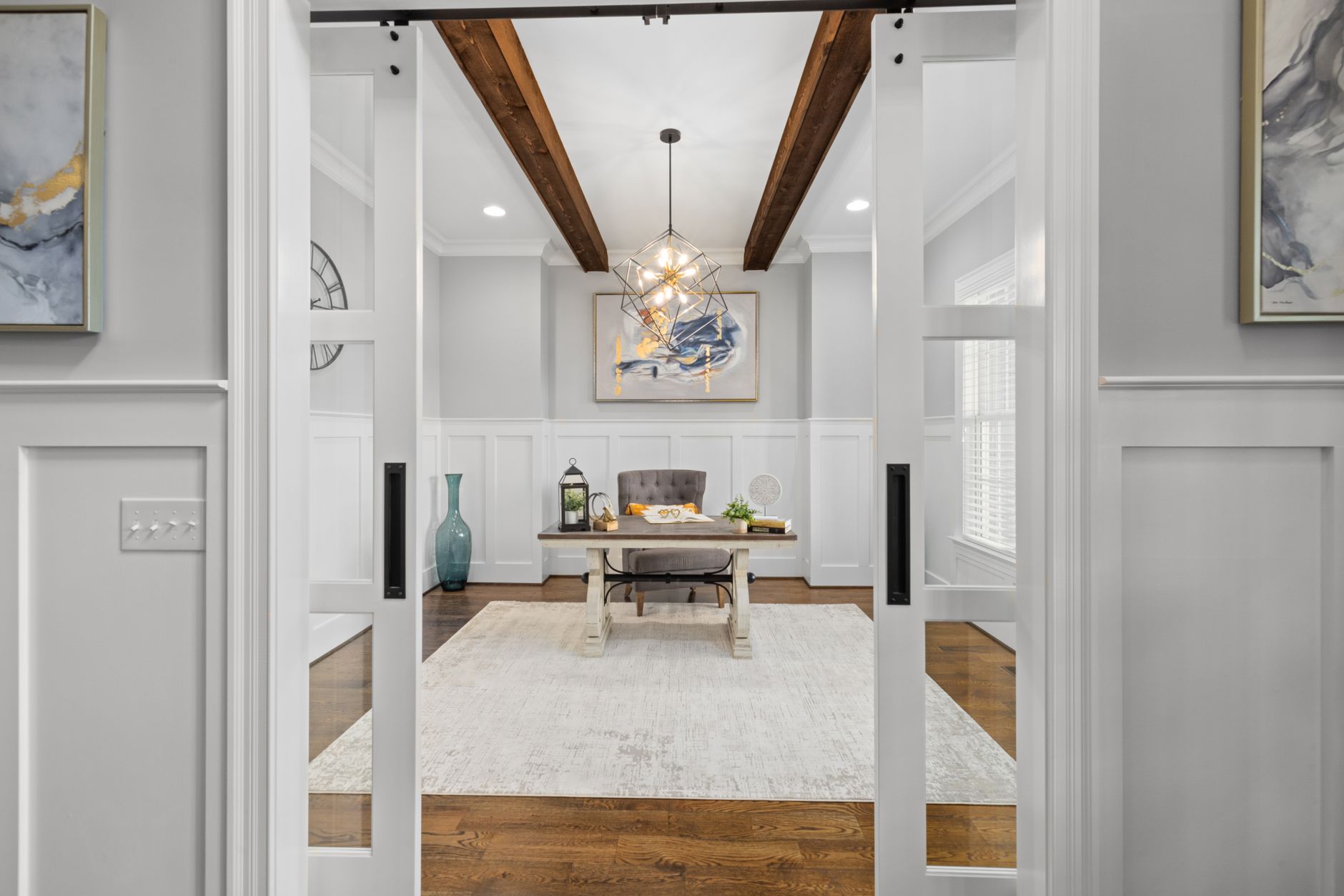
Pick a desk with enough room for your computer, paperwork and whatever else you reach for daily. Built-in drawers or shelves keep the surface clear, and minimalist or classic wood both work. The drawback is footprint: a big desk with storage can crowd a spare bedroom, so measure the wall first and see where to place the desk for window and glare tips. Find stylish desks on Amazon.
3. Task lighting
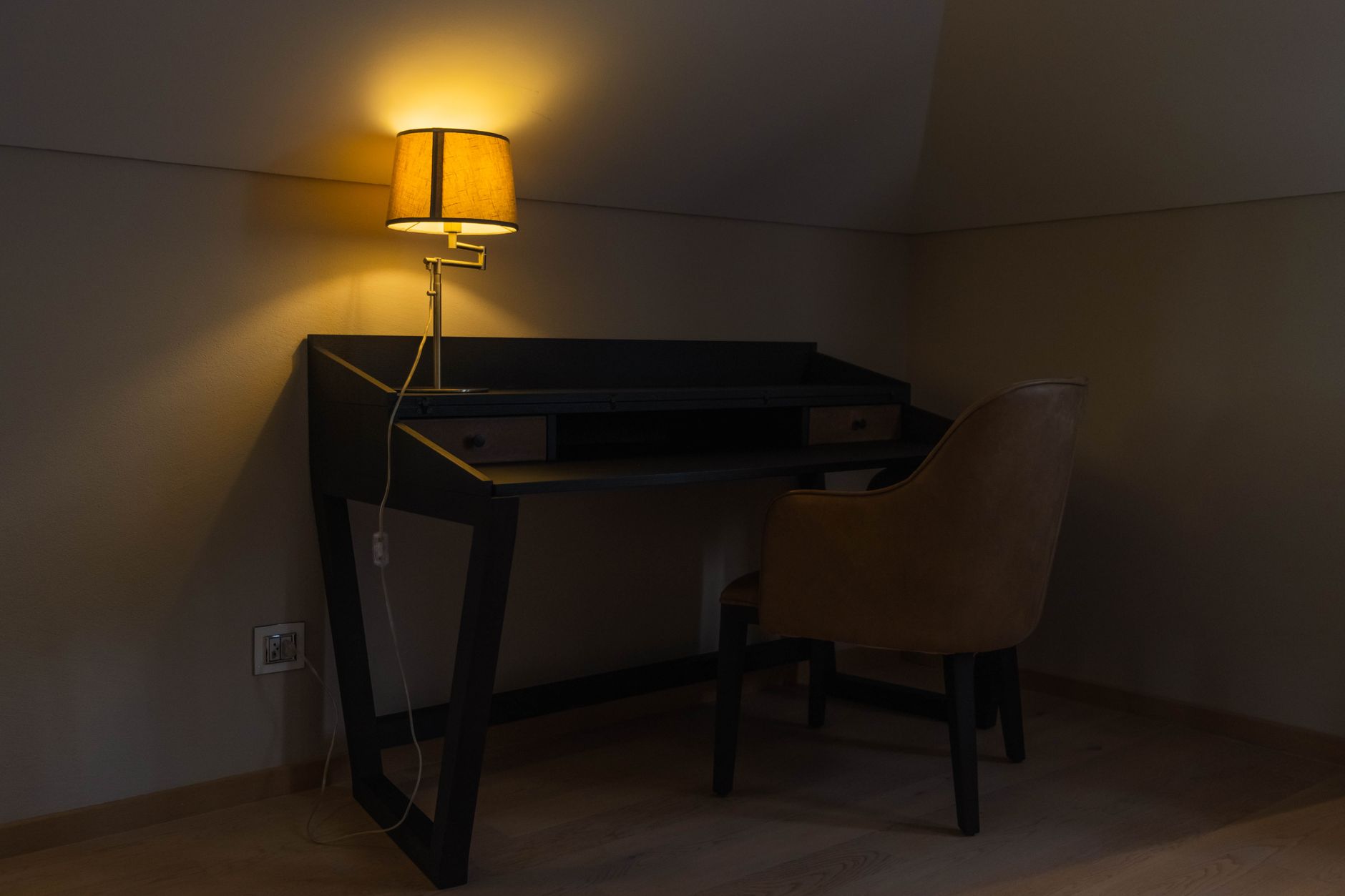
Good light keeps you focused and is kind to your eyes over a long day. An adjustable desk lamp with several brightness settings lets you match the light to the task. In a dim room, add an overhead light or a floor lamp, and see the colour temperature guide for which bulb tone suits desk work. Warm, soft light also makes the room more inviting after dark. The drawback is cable clutter, since every extra lamp needs a socket. Browse task lighting options on Amazon.
4. Wall shelves
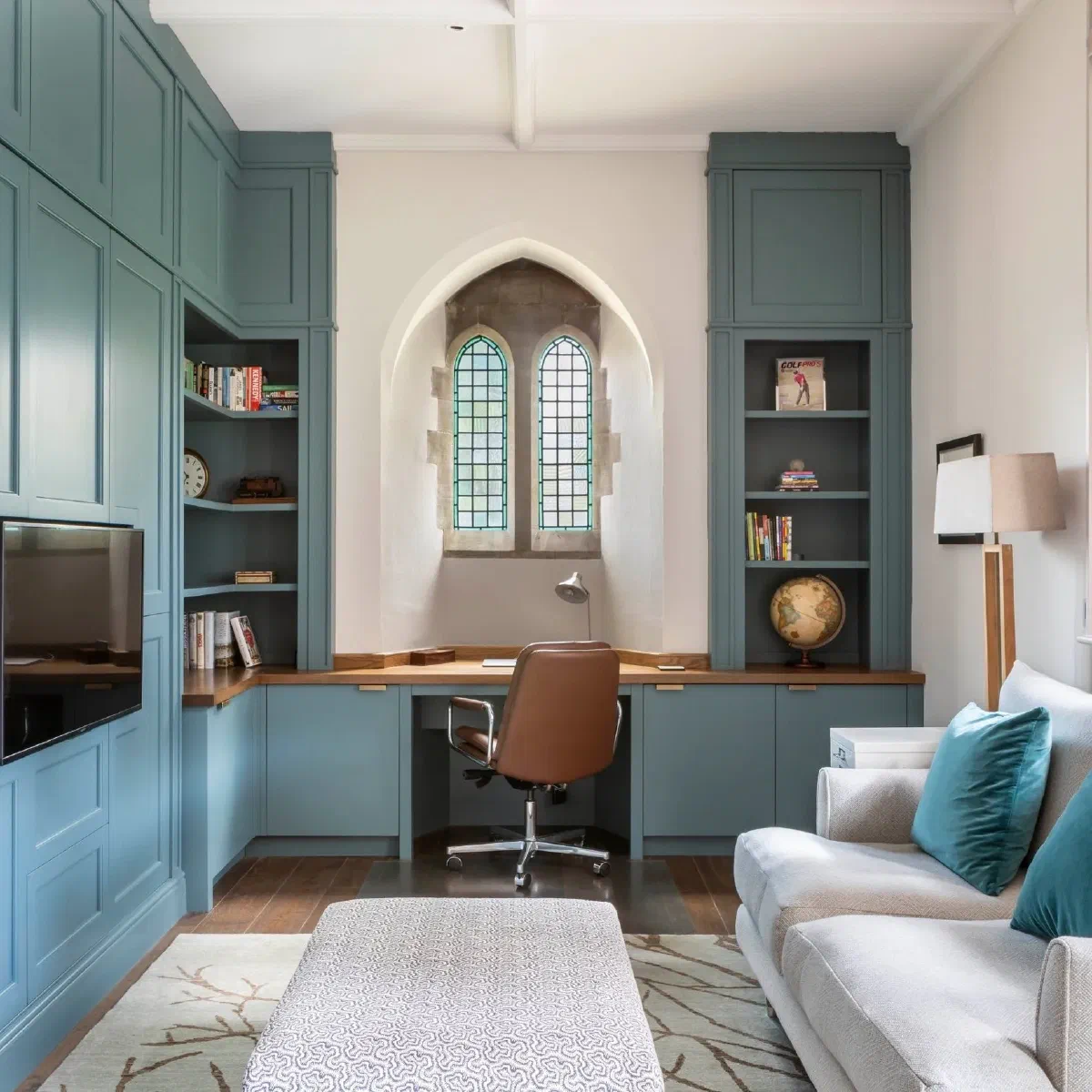
Wall shelves put vertical space to work for books, decor and documents. Floating shelves look sleek and modern, while industrial-style shelves add character. Keep the useful things within reach and let the decorative ones fill the gaps. The drawback is installation: shelves need proper wall fixings, which renters may not be able to use. Explore wall shelves on Amazon.
5. Desk organizer
A cluttered desk works against you all day. A multi-compartment organizer holds pens, paper clips, sticky notes and the other small items, and a place for each one cuts the visual noise. The drawback is that an organizer takes up desk space itself, so choose a compact one if your desk is small. Shop desk organizers on Amazon.
6. Vision board or whiteboard
A whiteboard gives you a clean surface for to-do lists and planning, while a corkboard suits pinned photos and quotes. Keeping your goals in view helps you stay on track with them. The drawback is that a board you stop updating becomes wall clutter, so only add one if you will use it. Discover whiteboards on Amazon.
7. Indoor plants
Plants add a little nature to a room you will sit in for hours. Low-maintenance options like succulents, snake plants or pothos survive a busy owner, and good faux plants give the same look if you lack a green thumb. The drawback is light: a windowless or dim office suits faux plants better than living ones. Shop indoor plants on Amazon.
8. Cable management tools
Tangled cords make even a tidy desk look messy. Clips, sleeves and cable boxes keep wires arranged and out of sight; label each cable so you know which is which, and use a surge protector to manage multiple plugs safely. The drawback is that tidy cables are harder to swap later, so leave a little slack for new devices. Browse cable management solutions on Amazon.
9. Rug for comfort
A rug defines the office zone within a room and adds comfort underfoot. Soft textures and subtle patterns add warmth, while bold designs make a statement. Placing it under both the desk and chair pulls the setup together. The drawback is that office chair wheels can catch on a thick rug, so a low-pile rug works best. Find office rugs on Amazon.
10. Personal touches
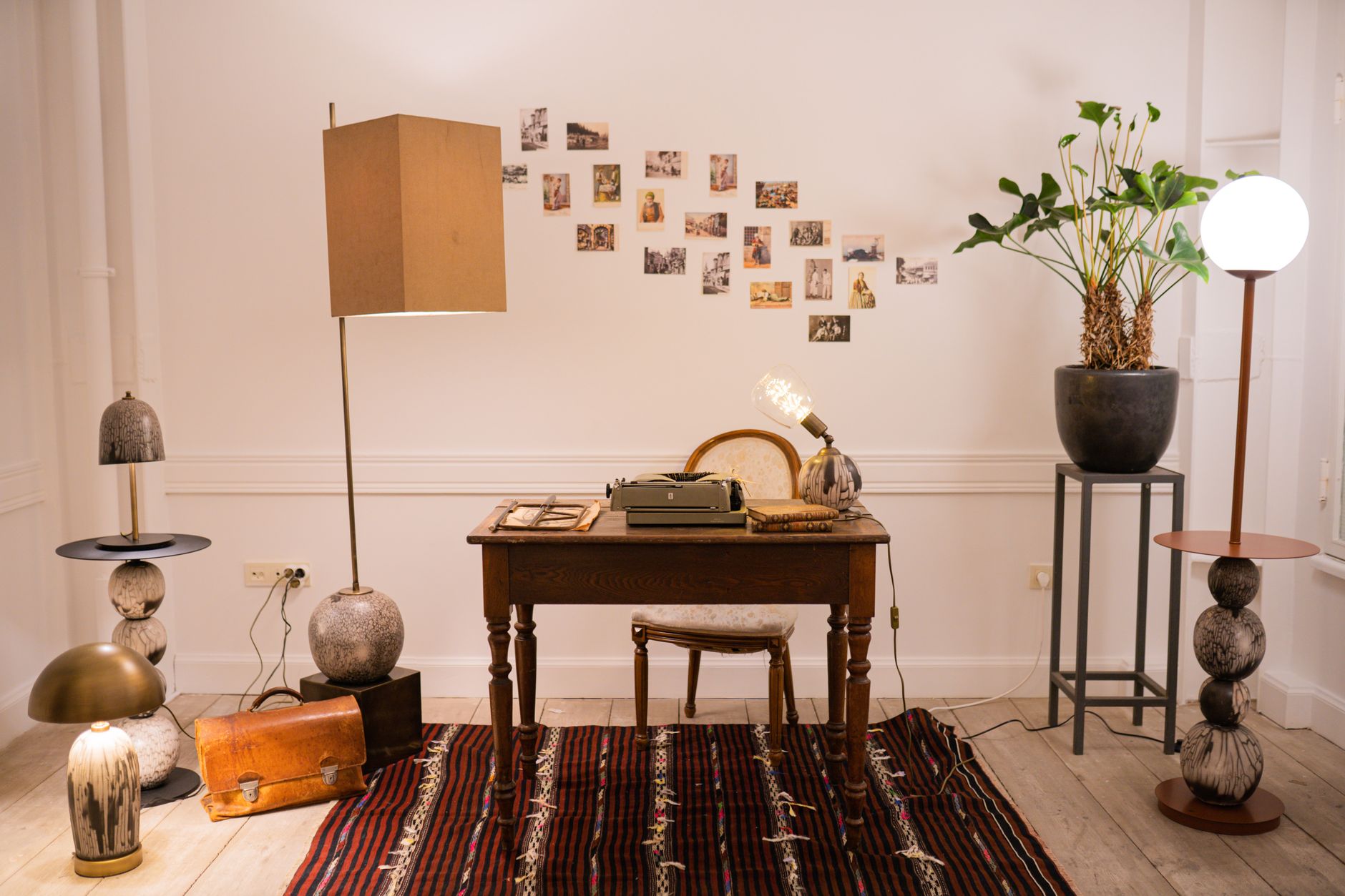
Framed photos, art that inspires you or a favourite mug are what make the room feel like yours. A scented candle or decorative bookends make it more enjoyable to spend time in, and a personalised office stops feeling like a cubicle. The drawback is restraint: too many objects bring back the clutter you just removed. Shop decor items on Amazon.
Home office ideas FAQ
What are the most important things in a home office? A supportive chair, a desk with enough room, and good task lighting. These three affect how you feel at the end of the day, so buy them before anything decorative.
How do I set up a home office in a small space? Choose a compact desk, use wall shelves instead of floor storage, and keep cables tidy. The small home office lighting guide covers light for tight rooms.
What can I do if my home office has no windows? Layer your lighting so the room never relies on one overhead fitting: a desk lamp for tasks plus softer ambient light. The layered lighting guide explains how to combine them. Faux plants also suit a room with no daylight.
How do I make a home office look good on a budget? Spend on the chair and lighting, then add inexpensive touches such as cable sleeves, a desk organizer and a few personal items. Those change how the room looks for little outlay.
My take
You do not need all ten at once. If you work from home every day, start with the chair, desk and lighting, then add storage as the room settles into use. If you only need a spot for occasional admin, a decent lamp and a tidy desk are enough. For a room that is short on daylight, put your effort into the home office lighting guide first.
Shop the Look: Explore Amazon’s top picks for home office essentials.