Layered bedroom lighting means running three separate light sources (ambient, task, and accent) on their own switches or dimmers so you can recombine them for whatever the room needs: bright and even for cleaning, dim and warm for winding down, focused for reading without waking a partner. I treat it as the difference between a bedroom that has lighting and one that’s actually lit, and it’s the single change that does the most for a room, whatever your budget.
Here’s how I’d build it, layer by layer, and the specific pieces I’d use to do it. If you want the wider picture first, room sizes and styles included, my Complete Guide to Bedroom Lighting is the broader starting point; this guide is the deep dive on the layering technique itself.
What is Layered Lighting?
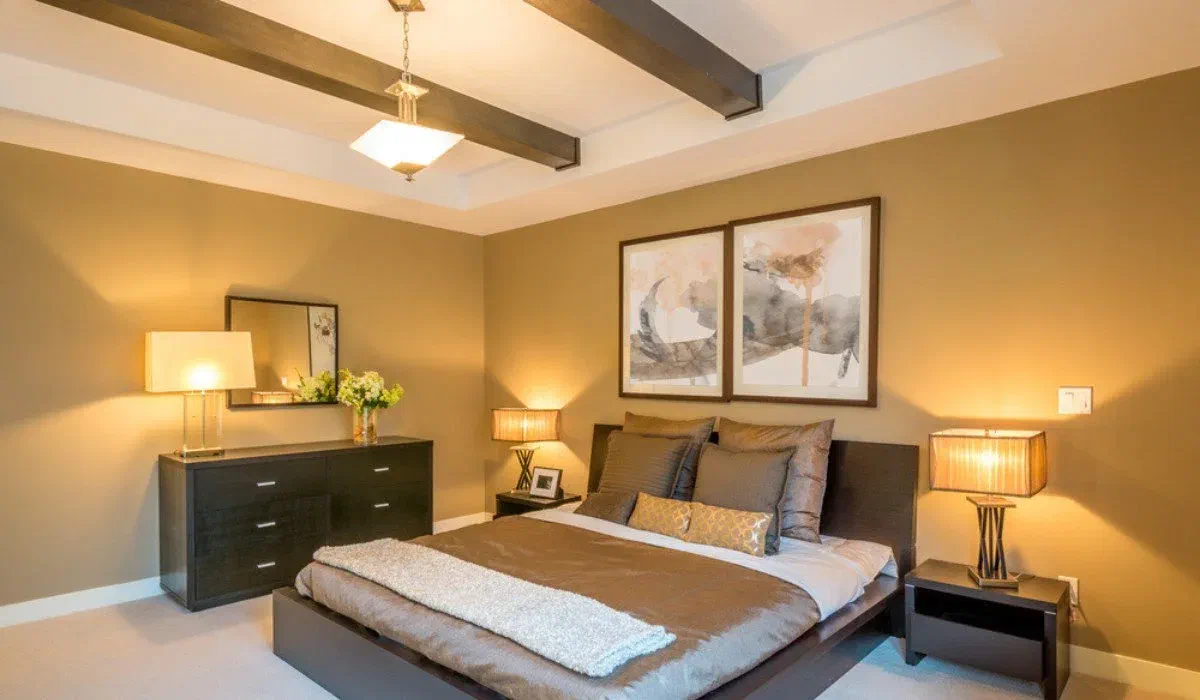
Layered lighting is the art of combining multiple light sources to create depth, function, and mood in a space. Instead of relying on a single overhead fixture (which can feel harsh or insufficient), layering lets you adjust the lighting to suit your needs.
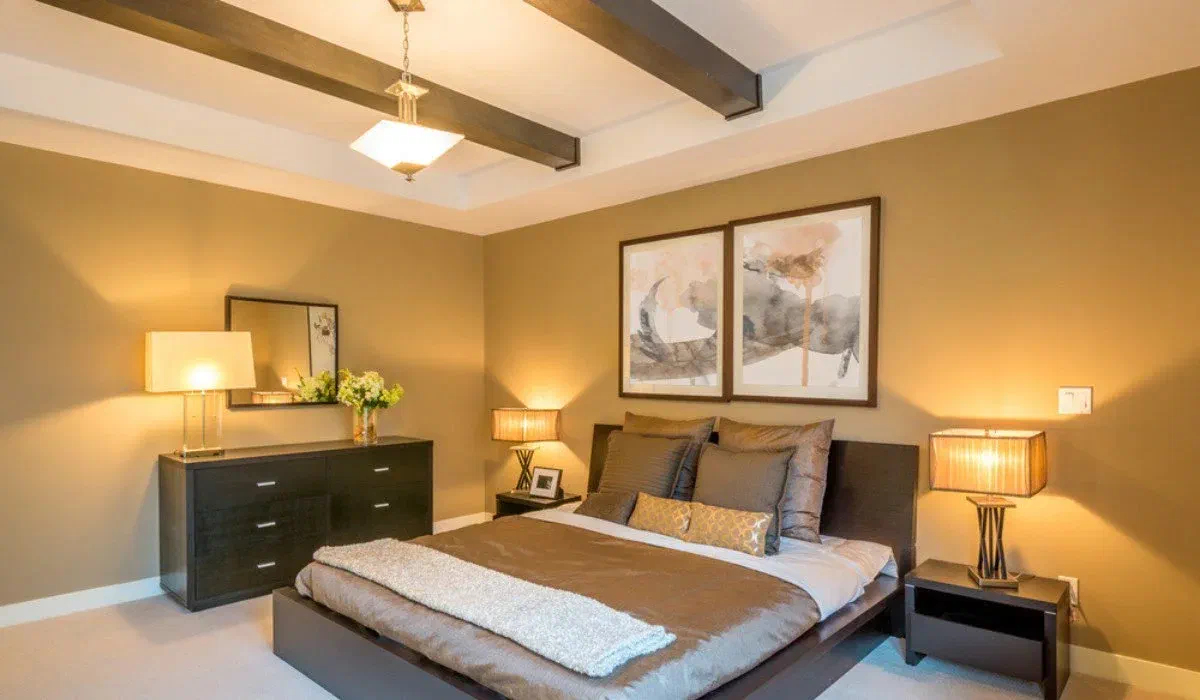
A well-lit bedroom typically has three layers:
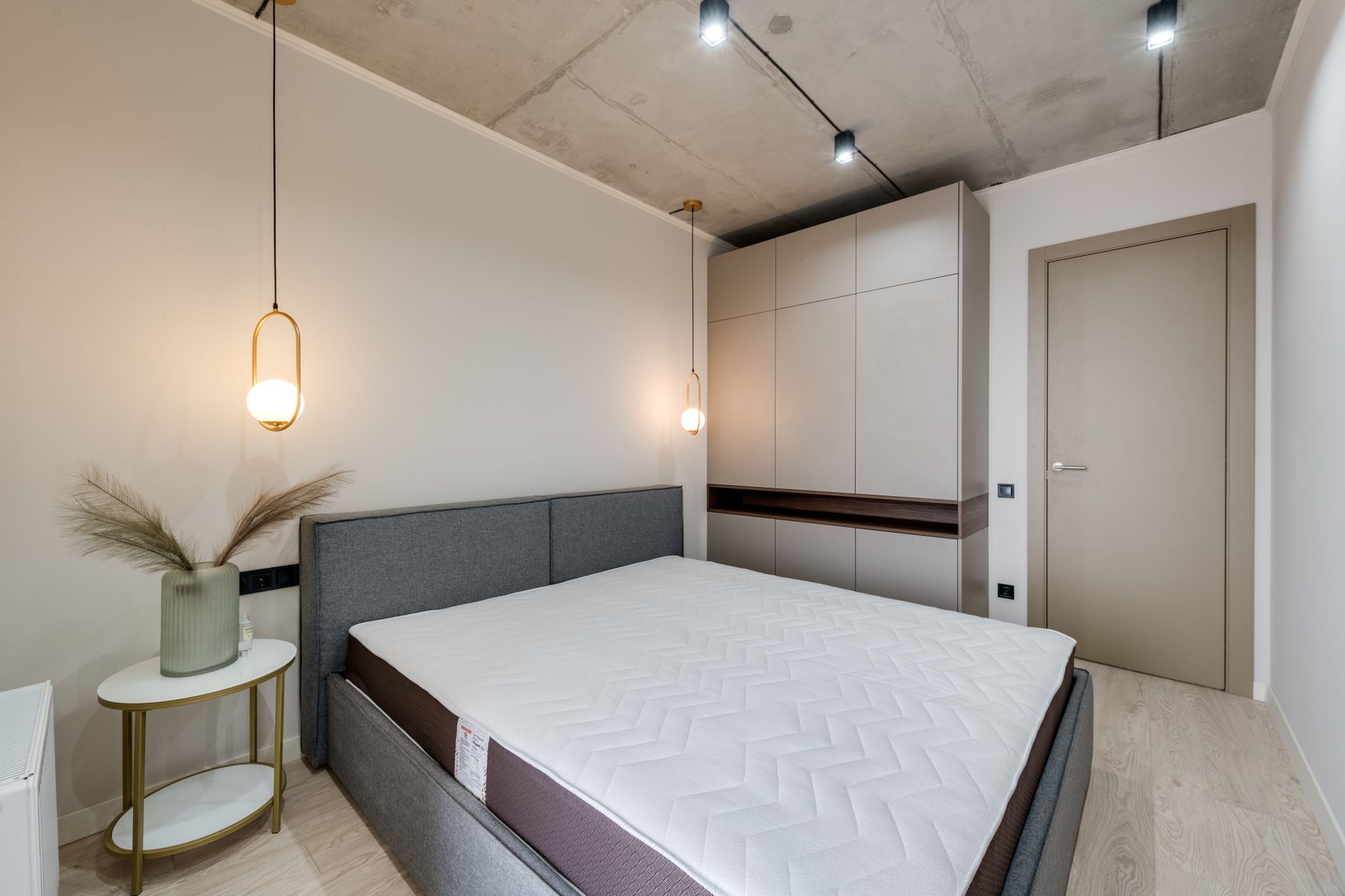
- Ambient Lighting – This is your general illumination, usually from ceiling lights, recessed lighting, or large floor lamps. It sets the overall brightness level of the room.
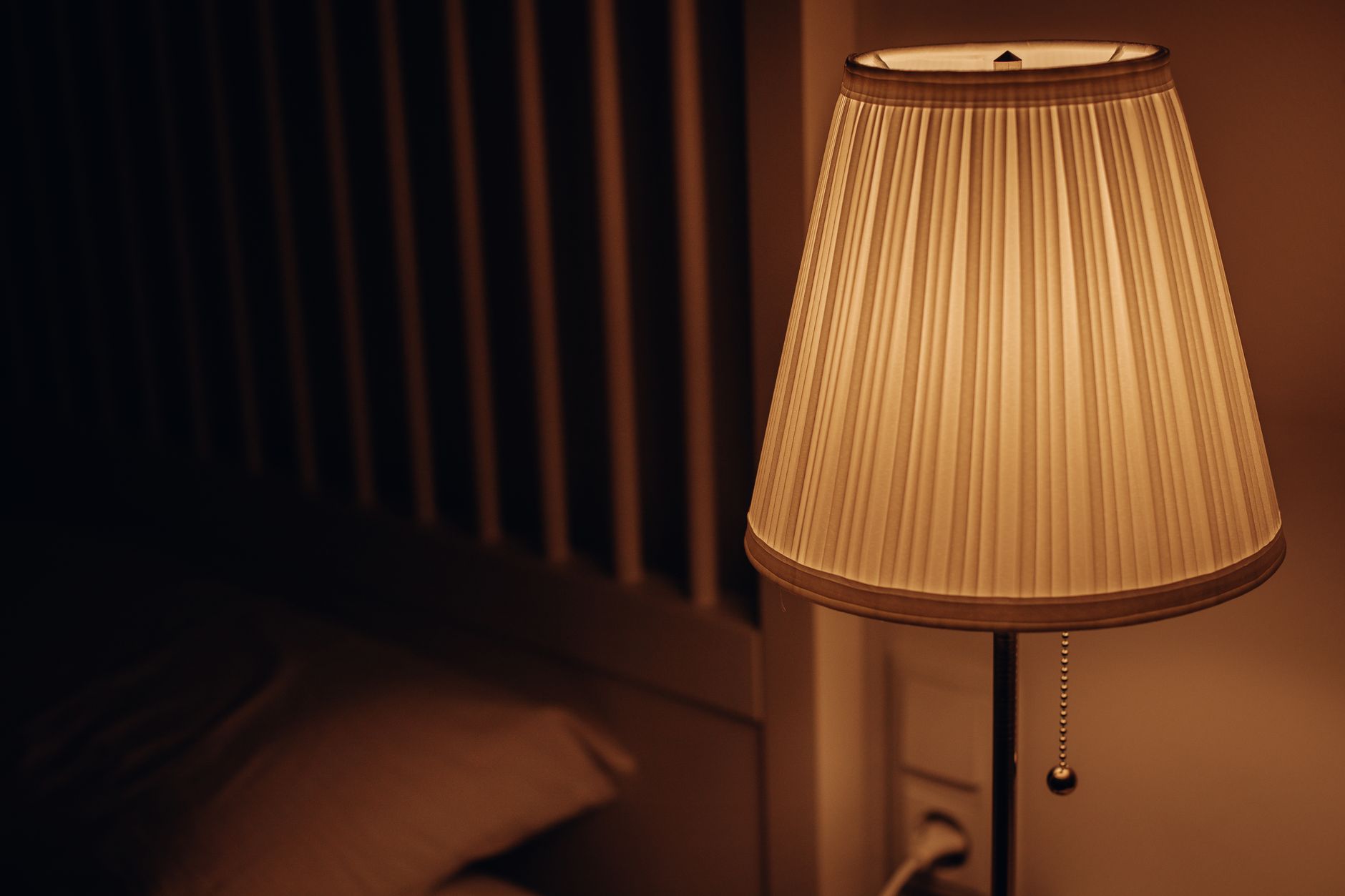
- Task Lighting – Focused lighting for specific activities like reading, getting dressed, or working. Examples include bedside lamps, wall-mounted sconces, or a well-placed desk lamp.
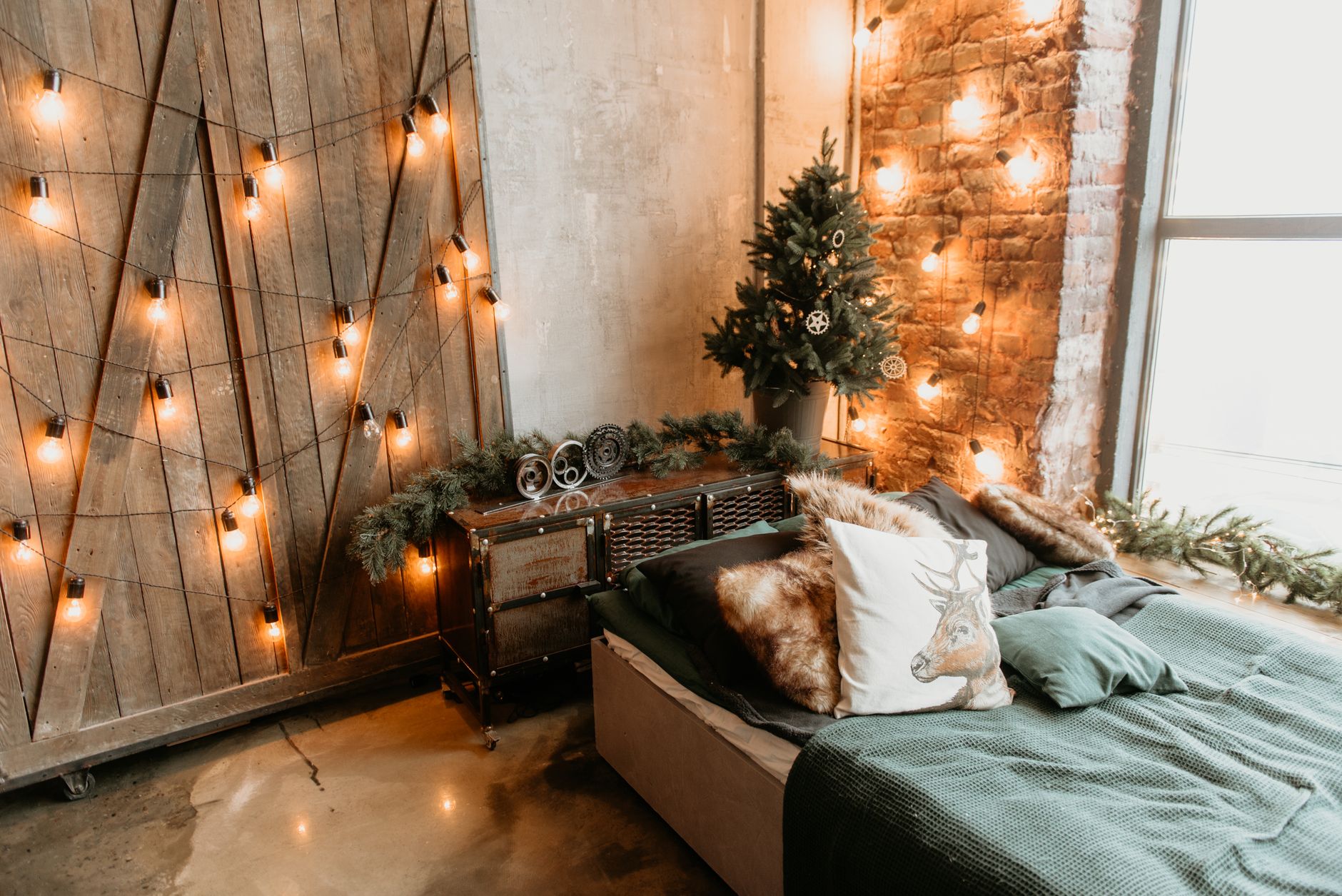
- Accent Lighting – The finishing touch that adds personality and warmth. Think fairy lights, LED strips under the bed, or picture lights that highlight artwork.
How to Implement Layered Lighting in Your Bedroom
1. Start with Ambient Lighting
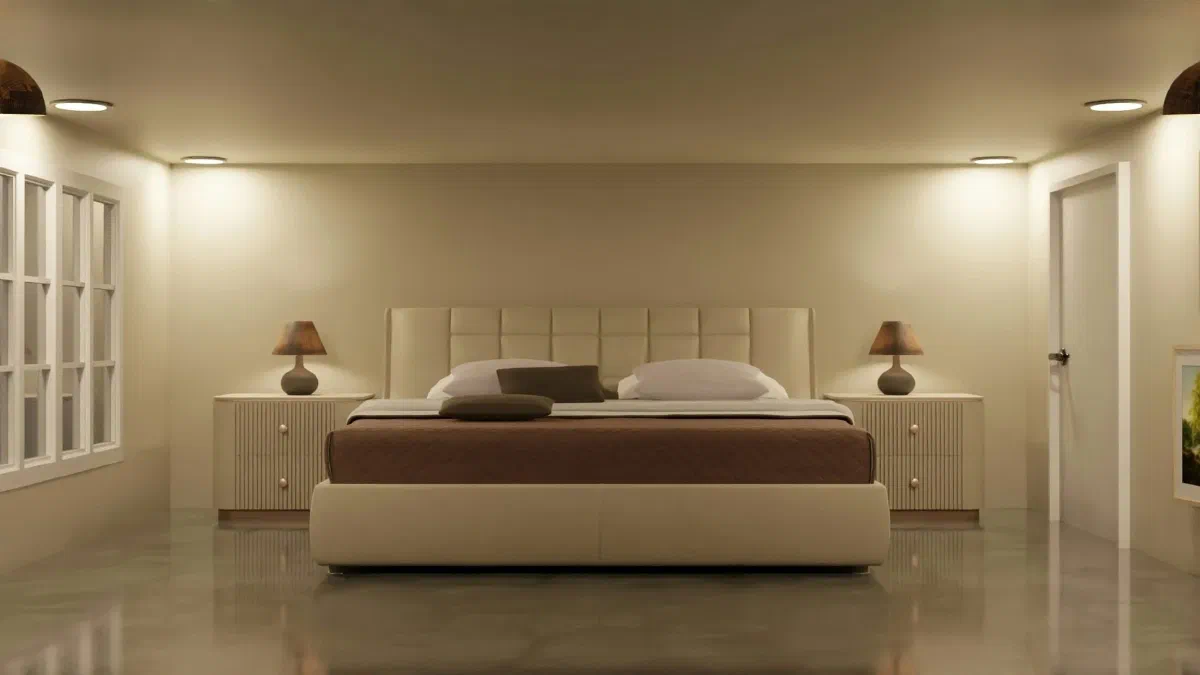
If you have a ceiling light, make sure it provides even illumination across the room. If you don’t have a ceiling fixture, you can fake it: a combination of floor lamps and plug-in pendant lights mimics overhead lighting well.
- Opt for dimmable fixtures so you can adjust brightness based on the time of day.
- Choose warm white bulbs (2700K-3000K) to create a relaxing atmosphere.
- If space is tight, consider wall-mounted sconces instead of traditional bedside lamps.
2. Add Task Lighting for Functionality
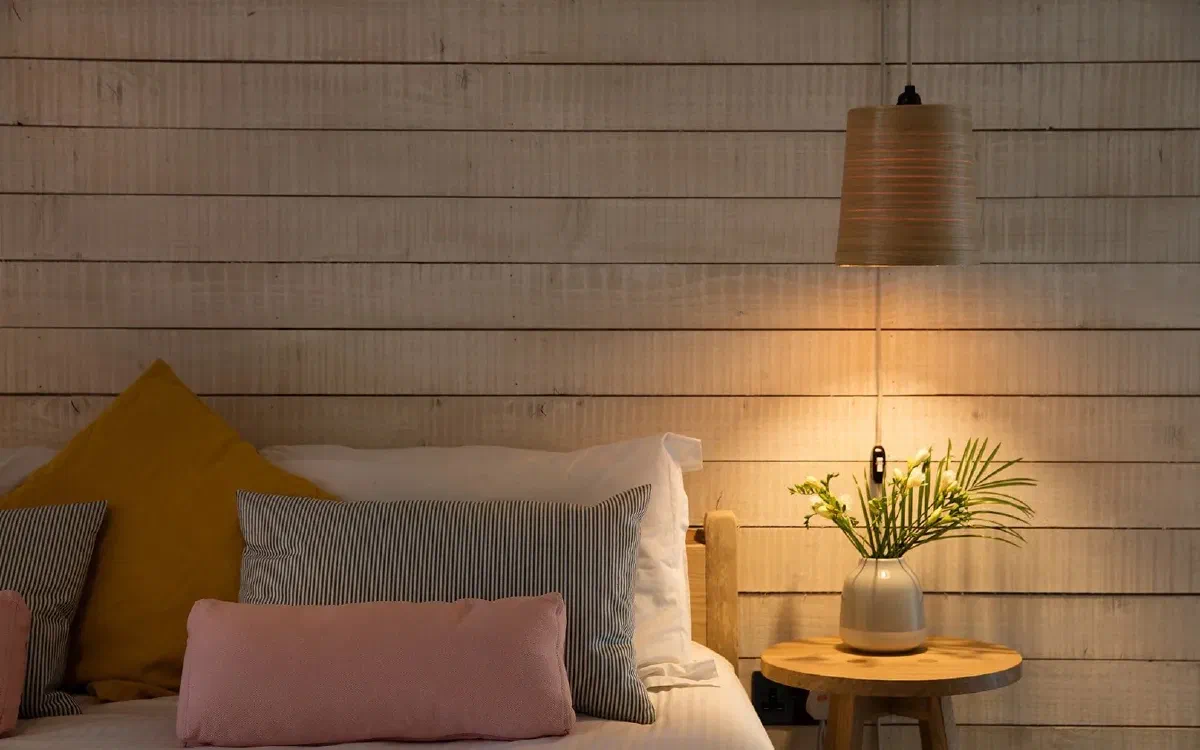
Good task lighting makes everyday activities easier without overwhelming the space with brightness.
- For reading in bed: Adjustable bedside lamps, mounted sconces or dedicated reading lights give you focused light without disturbing your partner.
- For getting dressed: A well-lit mirror with side lighting eliminates shadows on your face.
- For work or study areas: A directional desk lamp helps reduce eye strain while working late.
3. Layer in Accent Lighting for Ambience
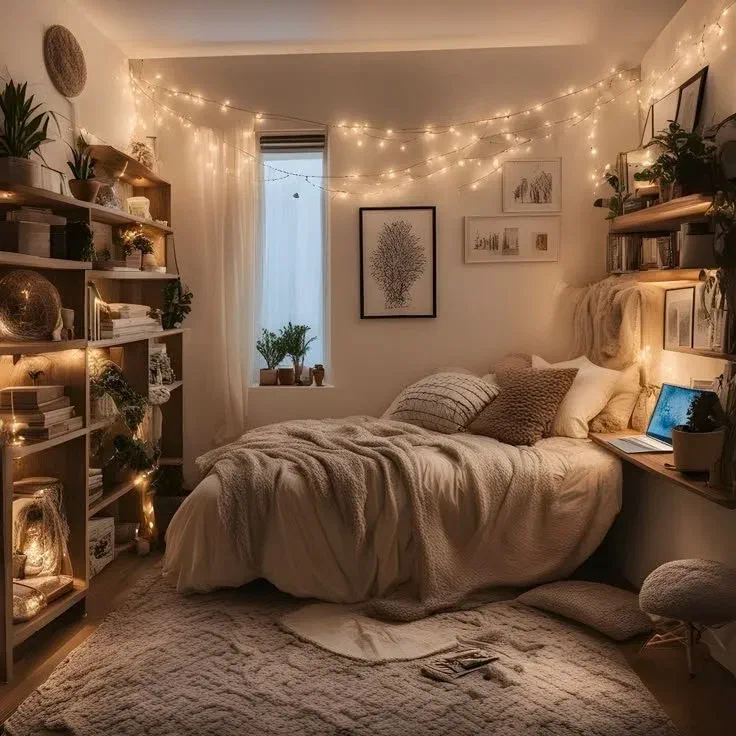
This is where you can have fun and personalize your bedroom!
- Fairy lights draped along a headboard or bookshelf add a cozy touch. (Check out our Fairy Lights for Bedrooms guide for ideas!)
- LED strip lights under the bed or along the back board creates a soft glow that feels luxurious.
- Candle-style wall sconces or lantern-style lamps bring warmth and charm to the space.
A plug-in swing-arm sconce is my favourite accent-layer trick because it doesn’t need an electrician; you’re just choosing a socket. Here’s how I’d spread the budget:
- Budget: the industrial swing arm sconce at under $24 has over 1,500 ratings at 4.6 stars. Good value, though it’s a basic on/off switch with no dimming, so pair it with a dimmable bulb if you want to soften it in the evening.
- Mid-range: the dimmable sconce with a USB port folds in phone charging, handy for a bedside reading nook. The con is it only dims with compatible LED or halogen bulbs, so check your bulb before you buy.
- Premium: the remote-control brushed brass pair adjusts both brightness and colour temperature from bed, which I’d pick for a primary bedroom where you don’t want to get up to change the mood. It’s the priciest of the three, and the remote is one more thing to lose down the side of the mattress.
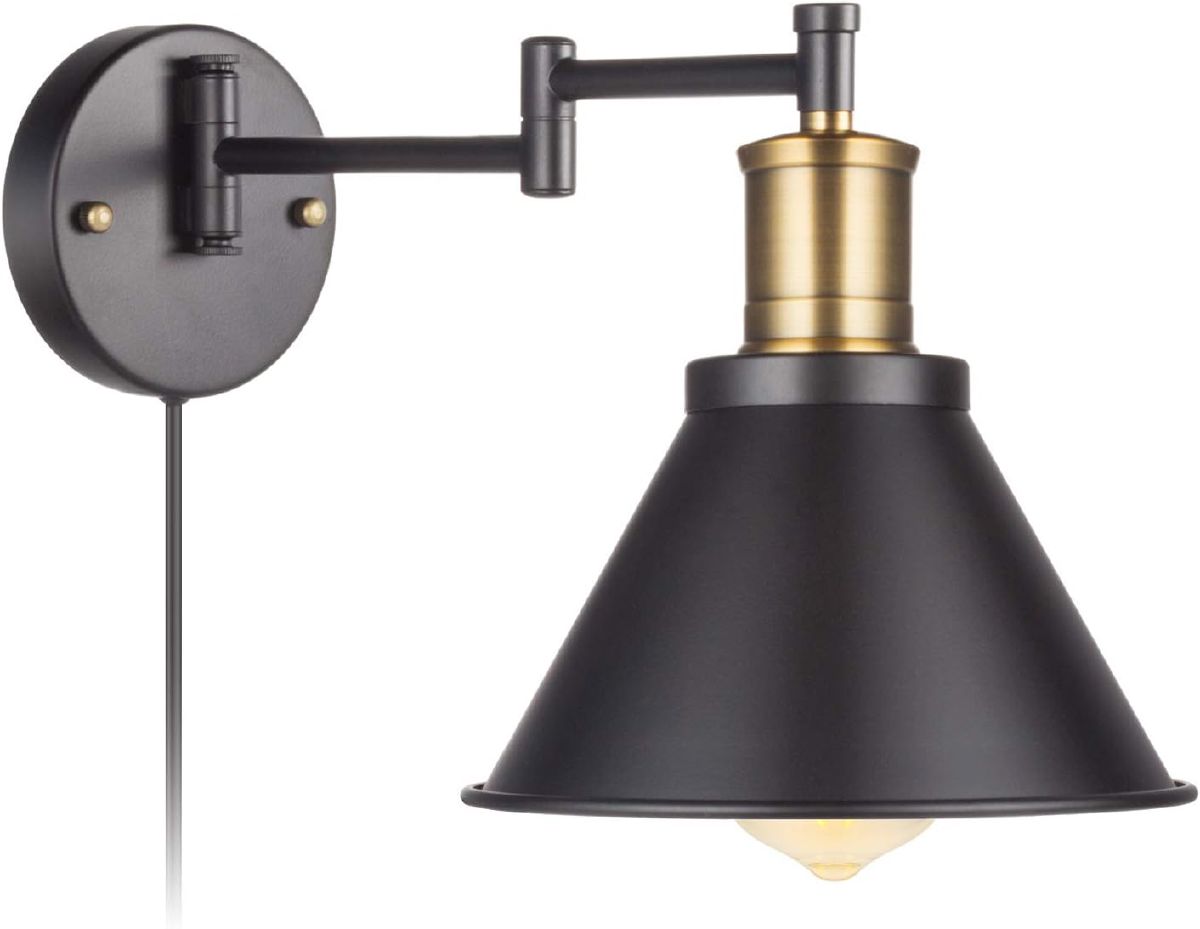 $24.20 price as of Sep 28
Buy the Budget Swing-Arm Sconce on Amazon
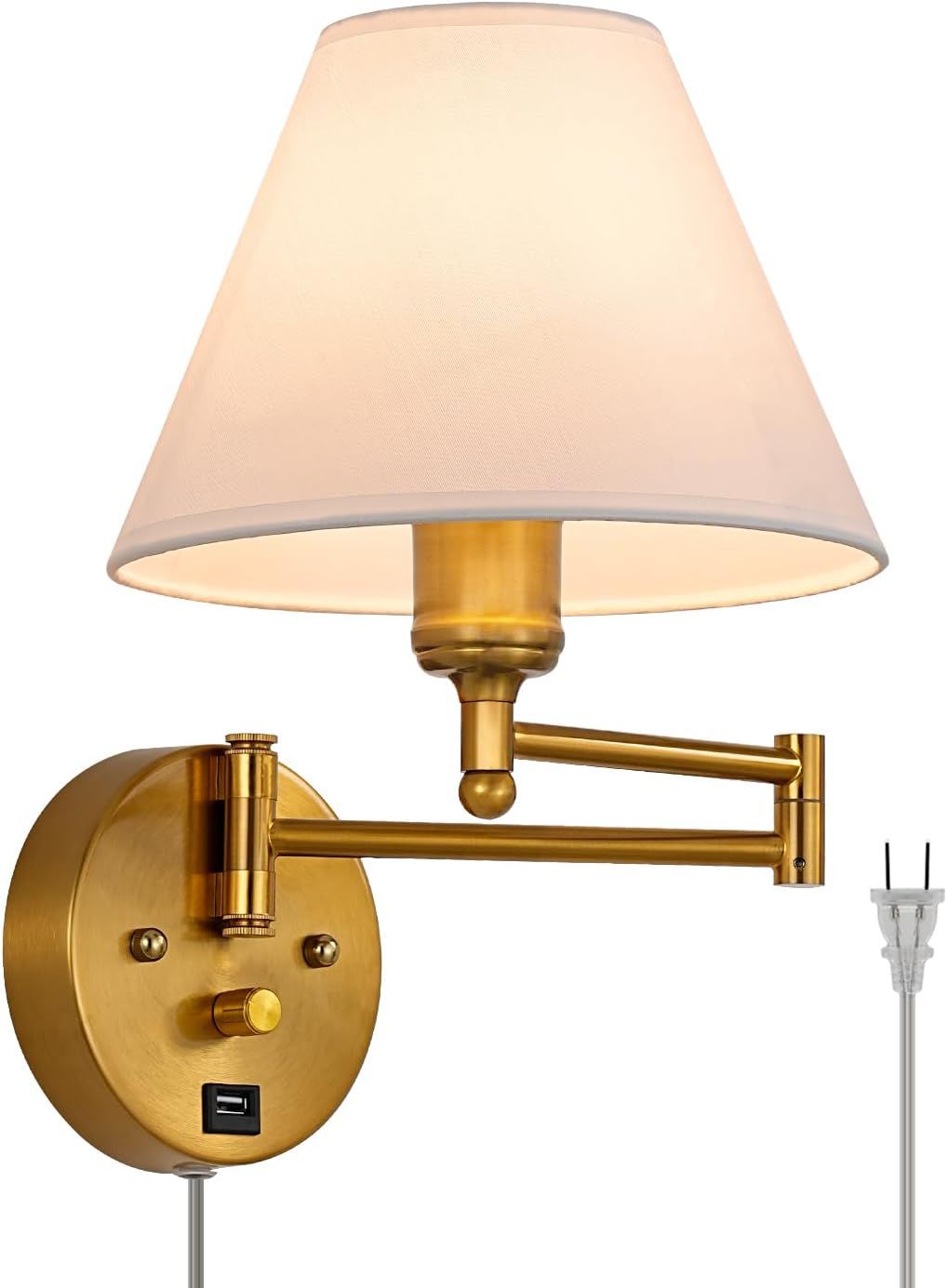 $49.99 price as of Sep 28
Buy the Dimmable Sconce with USB Port on Amazon
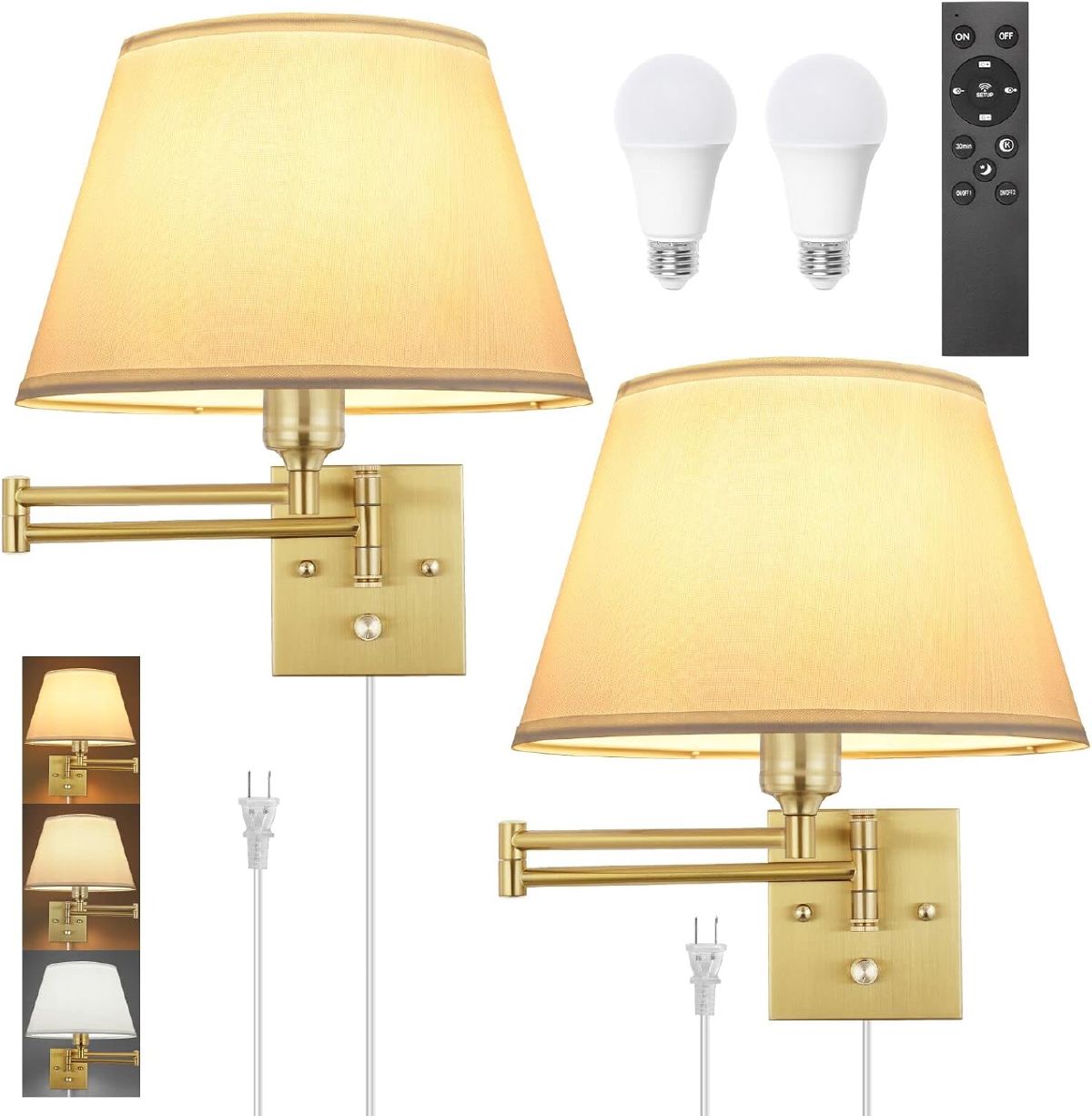 $68.99 price as of Sep 28
Buy the Remote-Control Brass Sconce Pair on Amazon
Making It Work in a Small Bedroom
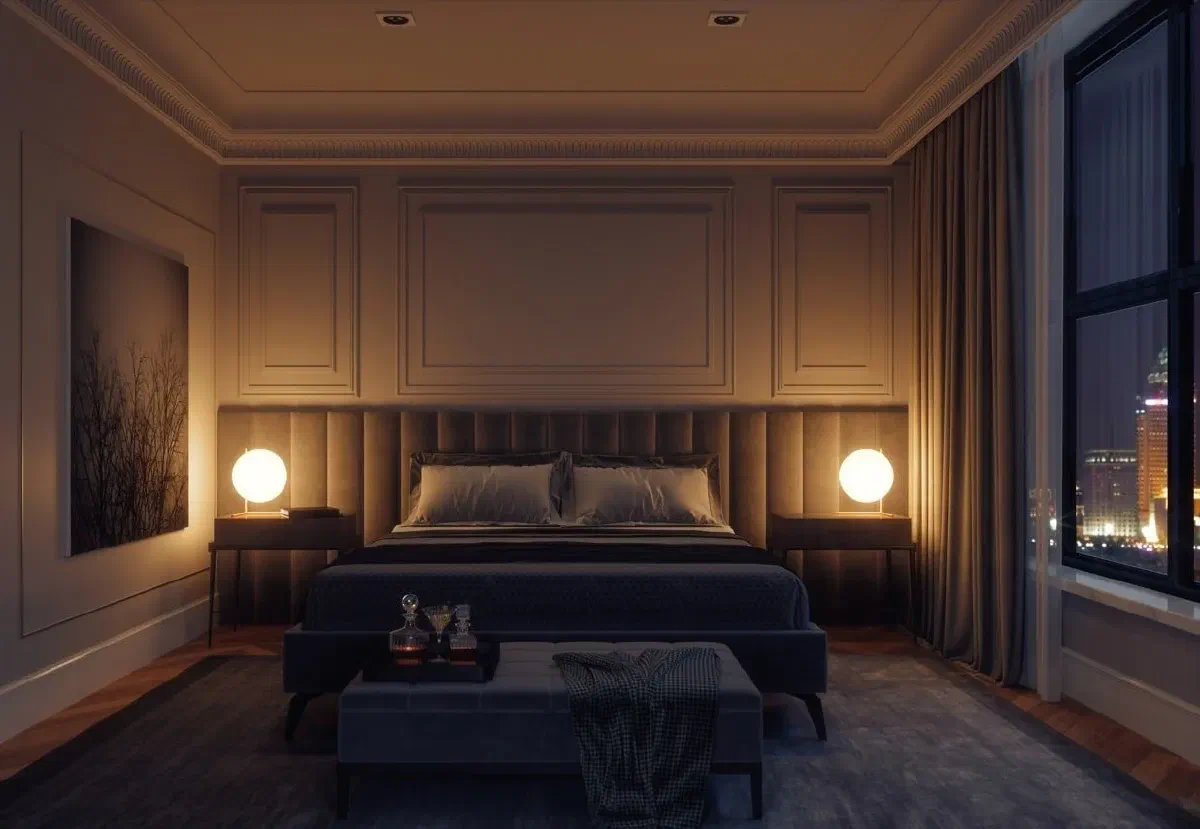
Three layers doesn’t mean three bulky fixtures. In a small room, wall-mounted swing-arm lamps handle two layers (ambient and task) without taking up any nightstand or floor space, and a mirror opposite a light source does real work bouncing that light back across the room. For the bulbs themselves, stick to the same warm-white range (2700K-3000K) I mentioned above for the ambient and accent layers, and save anything past 3500K for a dressing-area task light where you actually want a crisper white. My Complete Guide to Bedroom Lighting goes further into fixture choice by room size and style if you want the fuller picture beyond the three-layer system itself.
Final Thoughts
If you only remember one thing from this guide, make it the switching: three layers on one switch is really just one layer. Put ambient, task, and accent light on separate controls (dimmers where you can) and the same room covers reading, dressing, and winding down without a single new fixture.
For more accent-layer inspiration, check out our guide to Fairy Lights for Bedrooms.